Do you prefer hiring or retaining?
Researches show that a leaving employee can cost anywhere between 50-200% of their annual salary. Apart from money, every resignation takes away knowledge, culture, and morale from your team. Think of a workplace where employees are genuinely looking forward to come to work every day. Your workplace can be this dreamy if you know and apply some retention tactics.
When employees stay, they bring stability and a sense of community to the organization which drives its success.
This blog is a handy guide for you to know the importance of retention and some proven strategies.
Importance of employee retention strategies.
Employee retention strategies are not just a part of HR policy; they’re the catalysts of a company’s long-term success. Losing a key employee is very expensive and disruptive for an organization.
Retention is what keeps a business stable, both internally and externally. When employees stay longer, they don’t just work; they build legacy. Strong retention holds a massive impact on finance. That makes retention not just a “people strategy” but a profit strategy. When people leave frequently, organizations not only loose talent, but also rhythm, consistency, and confidence.
Retention is directly linked to employee engagement and customer satisfaction. As per researches; companies who have higher employee engagement tend to outperform their peers by over 21% in profitability. Because when your team feels valued, they naturally extend that energy to your customers.
Employee Retention Strategies
An employee retention strategy is a set of actions and policies to reduce turnover and keep valuable talents within an organization for long-term. These strategies foster a positive work environment and a promising career growth and development opportunities.
1. Build real connections beyond work.
- Encourage informal meet-ups: “No-agenda” catch-ups, coffee-breaks, or team lunches that allow people to talk beyond work.
- Celebrate personal milestones: Birthdays, promotions, even small wins; it makes employees feel valued.
- Show empathy: Regularly check-in if someone’s going through a tough time, acknowledge burnouts or simply give an ear to listen.
- Create shared experiences: Organize fun activities or challenges build a sense of community that lasts.
2. Invest in Employee Growth.

- Offer tailored learning paths: Online courses, resources, certifications and opportunities for upskilling both soft and technical skills.
- Encourage internal mobility: Propose cross-departmental projects.
- Provide a mentor or coach: Pair new employees with well-experienced ones who can guide, support and motivate them.
- Offer learning rewards: Celebrating their efforts to learn, boost their confidence.
- Align growth goals with company goals: Make employees see how their personal development contributes to the development of the company.
3. Create a culture of recognition and reward.
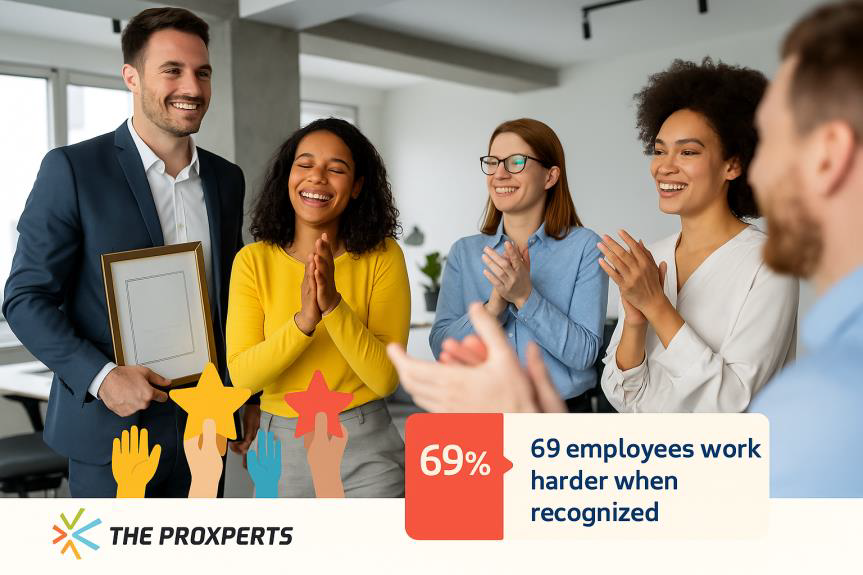
- Provide specific and timely recognition to reinforce desired efforts and behaviors.
- Celebrate small wins, don’t wait for annual reviews.
- Align rewards with company values for stronger impact.
- Use a mix of informal praises and formal rewards.
4. Support work-life balance and Employee well-being.

- Offer flexibility: Hybrid models, remote workdays, and flexible hours let employees balance both personal and professional life better.
- Normalize taking vacations, mental health days and digital detoxes without any guilt.
- Introduce wellness programs like yoga and mindfulness sessions.
- As a leader, openly set boundaries and take breaks.
- Check-in on workloads and distribute tasks when needed to prevent burnout.
5. Foster transparent feedback and open communication.
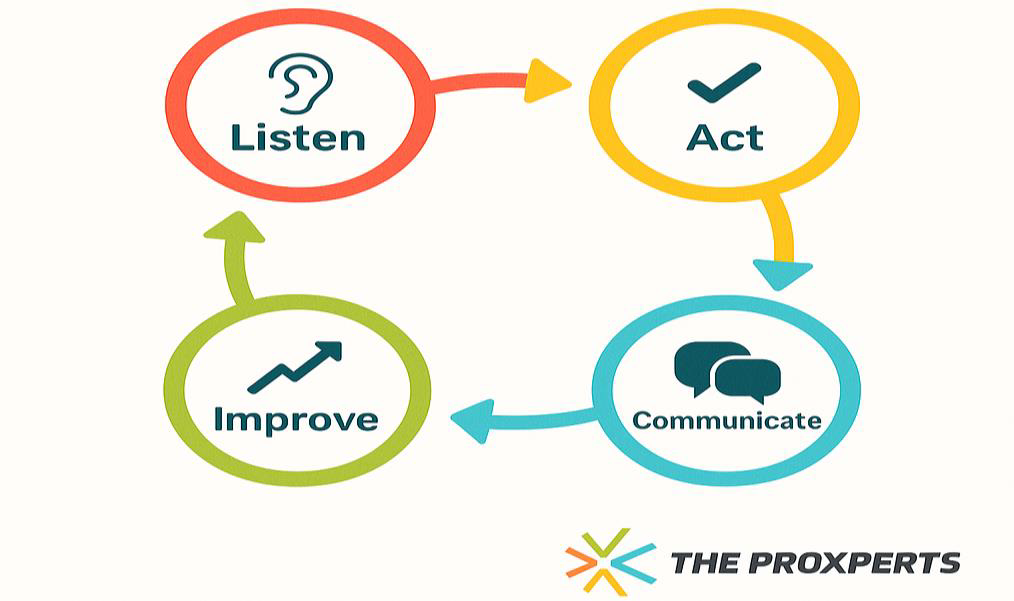
- Encourage two-way communication: Create a safe space for employees to communicate their concerns, ideas and suggestions. Or use anonymous surveys.
- Implement constructive feedback: Train your leaders to convey feedback with empathy.
- Take actions: Feedback is of no use if there are no followed by actions which lead to change.
- Host regular open forums: Town halls, Q&A sessions with guidance helps employees stay informed and feel respected.
6. Offer competitive pay and meaningful benefits.
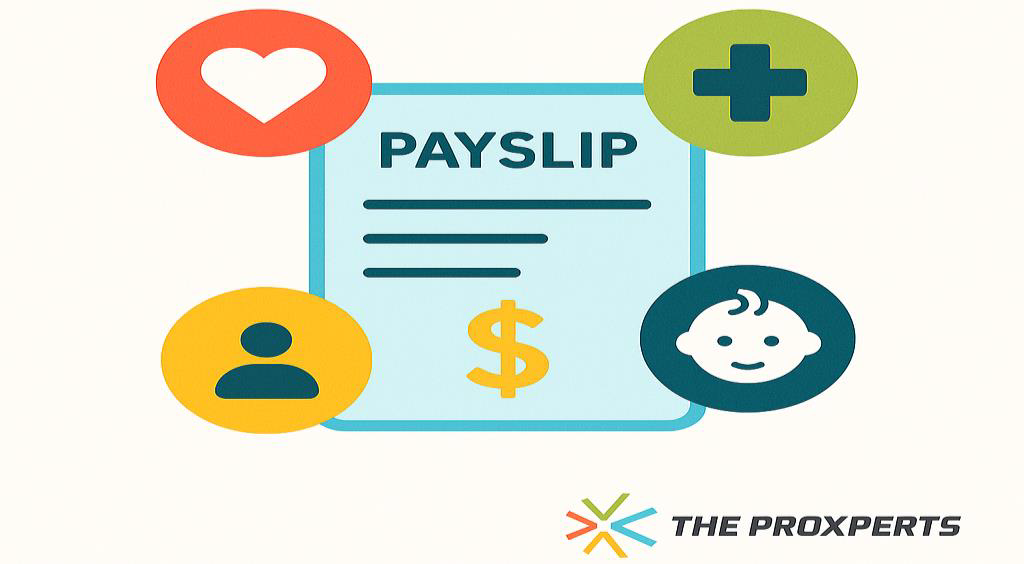
- Regularly benchmark salaries: Underpaying good talent won’t last long.
- Basics are boring: Health insurance, maternity/paternity leave, and retirement plans are great but to stand-out try giving perks like therapy support, wellness stipends, or childcare assistance.
- Communicate openly about pay: It builds trust and minimizes internal resentment.
7. Empower leaders to Inspire and Retain Teams.
- Teach emotional intelligence to your leaders. Empathy, listening and adaptability are non-negotiable skills.
- Encourage them to be mentors over managers because leaders who guide instead of command earn deeper loyalty and respect.
- Appreciate managers who retain and grow with their teams, it shows that leadership attributes are valued.
- Empower them to make decisions and trust their judgement.
Conclusion
To be real, employee retention isn’t about contracts, perks, or policies; it’s about connection. People stay where they feel valued and supported. When companies invest in their employees with a human-centered mindset; they don’t just grow or reduce attrition, they build belonging.
Still have confusion setting up these strategies?
Visit Proxpert Consulting Services, we help organizations turn retention challenges into growth opportunities. From developing people-first strategies tailored for your organization to training leaders; we design frameworks that keep your best talent thriving.
Let’s together create a culture where engagement, growth and satisfaction go hand in hand.